by Ryan Hamilton
Background
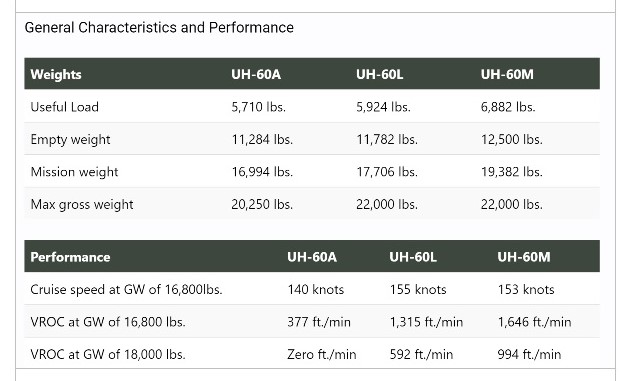
The UH-60M Black Hawk looks much like the first S-70/UH-60A helicopter, but new structures and systems have given the new airframes more lift and range, improved flying qualities, enhanced readiness, and an integrated cockpit with digital connectivity. The original Utility Tactical Transport Aircraft System (UTTAS) specified by the U.S. Army in 1972 was a crashworthy, ballistically tolerant squad carrier with power to haul three crew and 11 troops at high density altitudes. In 1991, UH-60As and UH-60Ls flew troops, equipment, and supplies through Operation Desert Storm with mission capable rates better than 85%. However, a 1995 study by the Army Aviation and Missile Command documented shortcomings in the Black Hawk fleet.
Army lift requirements had increased with the addition of a fourth crewmember to provide all-round suppressive fire in "hot" landing zones and with heavier soldiers wearing new Air and Land Warrior equipment. External loads had grown to include 9,000 lb (4083 kg) air defense vehicles and other cargo that exceeded UTTAS requirements. Black Hawk operating costs had climbed as the UH-60A/L fleet aged. Early T700-GE-700 engines and the UH-60A transmission were key cost drivers. Desert Storm had also underscored the difficulty of navigating and communicating in a fast-moving war, often at night in the most adverse environments. The Army envisioned a digital battlefield where integrated cockpits managed data to mitigate crew workload and connect combined arms.
Timeline
Sikorsky began flying high-lift, wide-chord, all-composite main rotor blades on a UH-60L Black Hawk in December 1993 with an eye to growth versions of the Black Hawk. The planned UH-60M modernized the rugged UH-60L utility helicopter with wide-chord all-composite main rotor blades, 2,000 shp General Electric T700-GE-701D engines, a digital automatic flight control system, four-screen "glass" cockpit, and new machined aerostructures.
The U.S. Army initially planned UH-60M recapitalization in two blocks. Block 1 had two steps. A recapitalization/rebuild step at Corpus Christi Army Depot would have given UH-60As a strengthened tail structure like that of the UH-60L before second-stage recap/upgrade at Stratford rebuilt UH-60A and -60L helicopters with new blades, and machined aerostructures plus refurbished dynamics. The four-screen "glass cockpit" built on experience with Black Hawks integrated for international customers. UH-60M Block 1 soon became the UH-60M Baseline configuration. The UH-60M Block 2 Upgrade, later called UH-60MU, UH-60X, or the Future Utility Rotorcraft envisioned fly-by-wire flight controls, more powerful engines with full-authority digital engine controls, the Common Avionics Architecture System (CAAS) developed for Special Operations Aircraft, and a lighter composite tail cone to increase external hot-and-high payload to 10,000 lb (4536 kg).
The UH-60M Upgrade with fly-by-wire flight controls and Common Avionics Architecture System (CAAS) flew for the first time on August 29, 2008. Four test aircraft were used to qualify the fly-by-wire systems before the UH-60MU program was shelved and production standardized on the Baseline configuration. Independent of the UH-60M program, the Army plans to recapitalize UH-60L BLACK HAWK helicopters to UH-60V standards with UH-60M cockpit functionality.
Configuration Features
Like the predecessor S-70A/UH-60L, the UH-60M is a twin turboshaft, single main rotor helicopter capable of transporting 11 combat troops, cargo, and weapons by day or night, in Visual Meteorological Conditions Instrument Meteorological Conditions (IMC), (VMC), Instrument Flight Rules (IFR), Visual Flight Rules (VFR), and Degraded Visual Environment (DVE) conditions. The UH-60M retains the 3,400 hp improved durability gearbox and heavy-duty flight controls of the UH-60L but incorporates a Seahawk rotor brake for shipboard operations. The 1,994 shp General Electric T700-GE-701D engines of the UH-60M provide around 4% more power than the predecessor -701C and have improved durability components for longer engine life and lower operating costs. The latest Black Hawk with wide-chord main rotor blades and General Electric T700-GE-701D turboshafts can hover at 23,500 lb (10,700 kg) with external loads. The 3,000 shp General Electric T901 Improved Turbine Engine is scheduled to enter the U.S. Army Black Hawk fleet in Fiscal 2027.
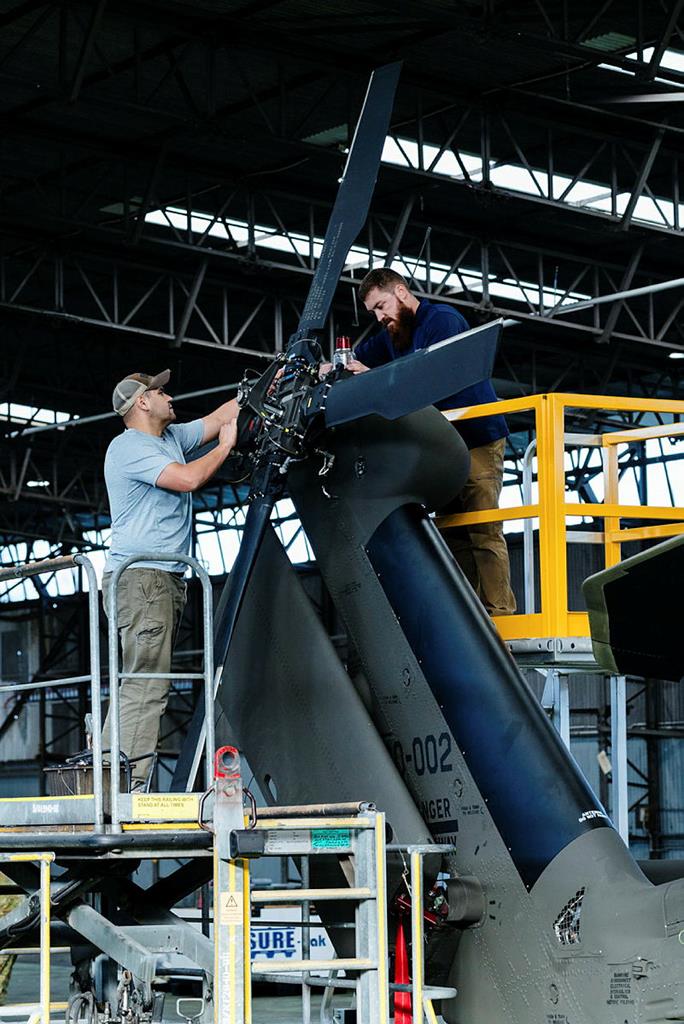
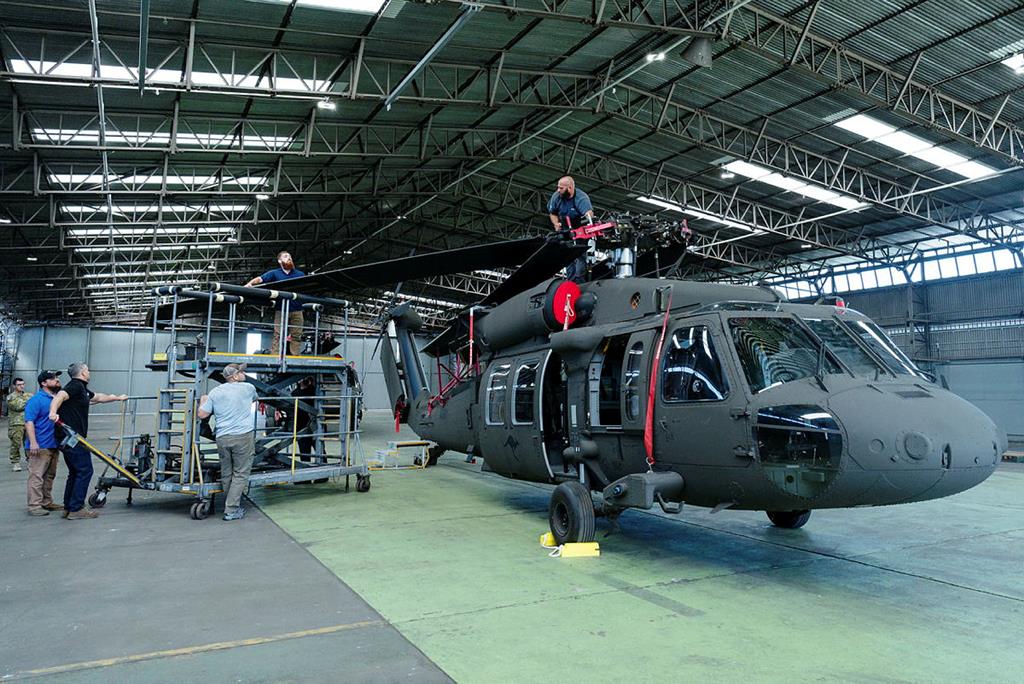
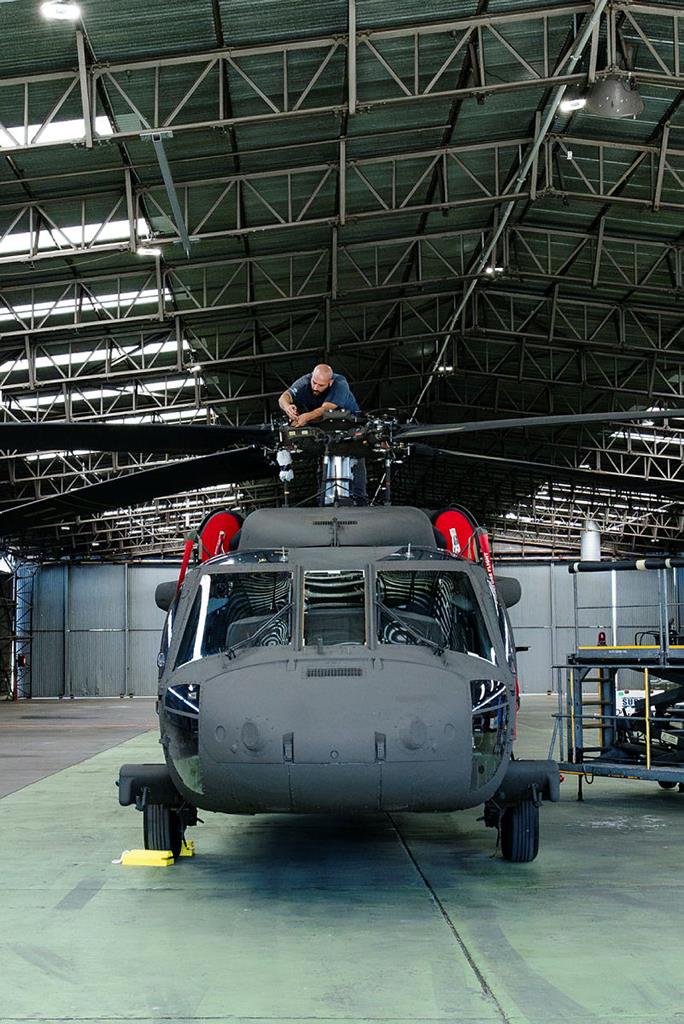
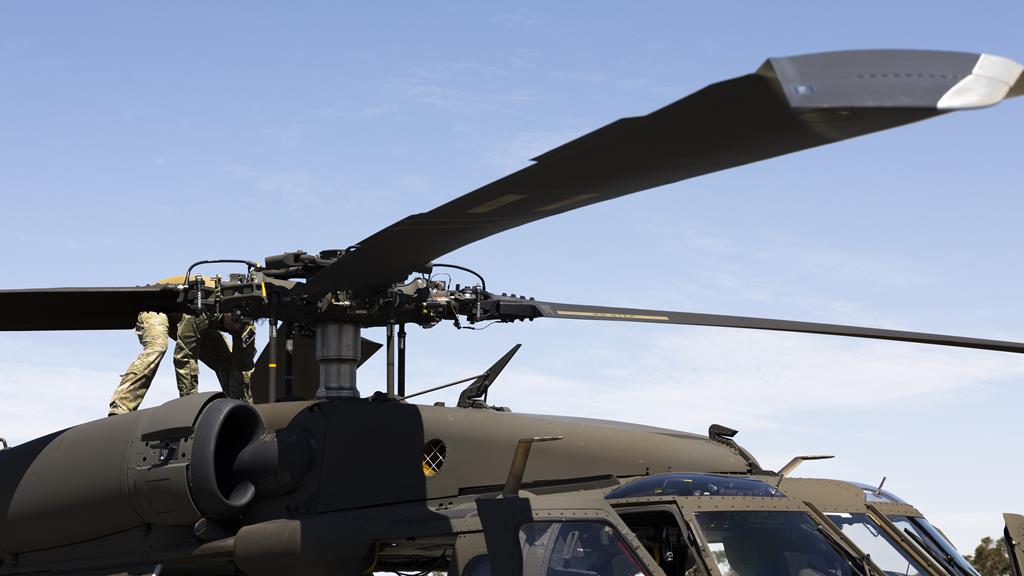
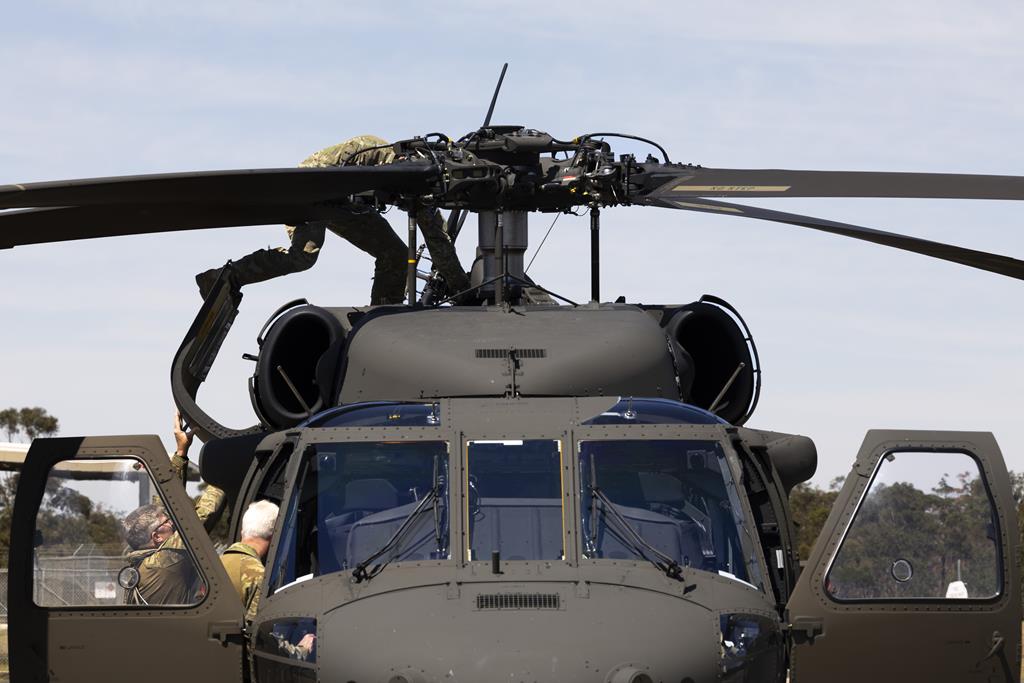
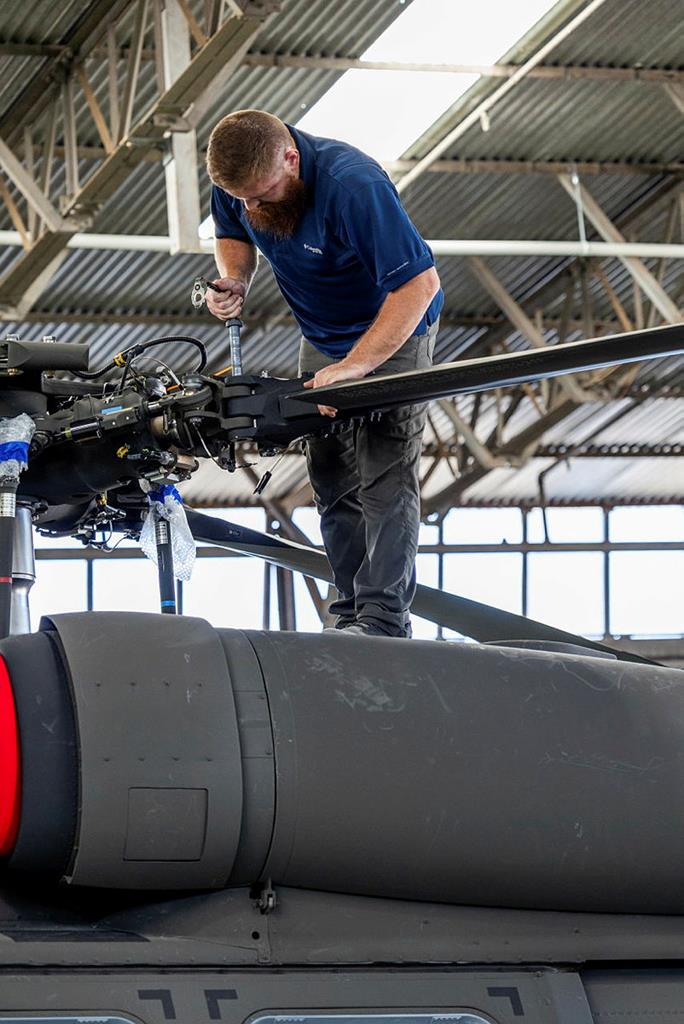
The UH-60M has four high-lift composite main rotor blades with 1.74 in. (4 cm) greater chord than the original composite/titanium blades of the Black Hawk. Swept anhedral tips to enhance performance at high gross weights and high density altitudes. The new rotor and engines increase useful load more than 1,000 lb (450 kg). The high-lift main rotor provides a dramatic payload-range improvement over the original Black Hawk with better handling properties. Except for the wide chord main rotor blades, all UH-60M dynamic components, including the tail rotor, are the same as on those the UH-60L. To further improve its handling characteristics UH-60M also has an active vibration absorber and dual digital flight control computers. The more reliable new computer integrates the stabilator and stability augmentation system amplifier to provide a coupled collective function.
Beneath the new main rotor are a series of airframe changes adopted to reduce part count, prevent cracking, and eliminate corrosion points. Strengthened transmission support beams an upper deck structure introduced on the U.S. Navy MH-60S Knighthawk made it more cost-effective to replace rather than rebuild the Black Hawk cabin. All UH-60Ms emerge from the factory with provisions for the External Stores Support System (ESSS) to carry up to four 230 gal (871 L) fuel tanks. A Crashworthy External Fuel System has been developed for the ESSS. The Mike Model airframe also incorporates an aft transition access door and avionics compartment.
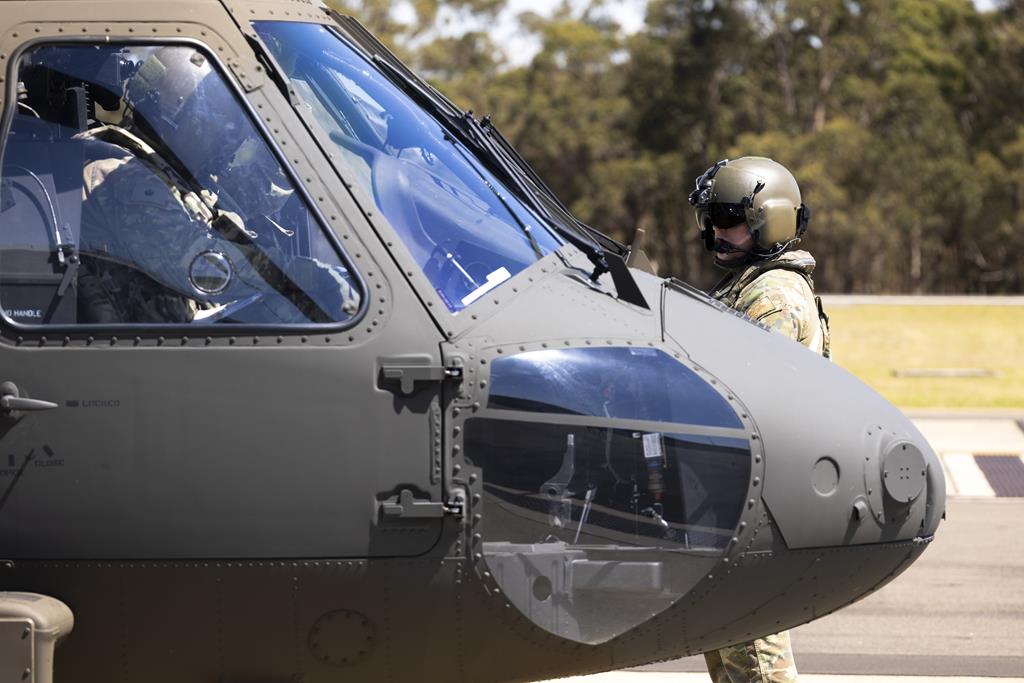
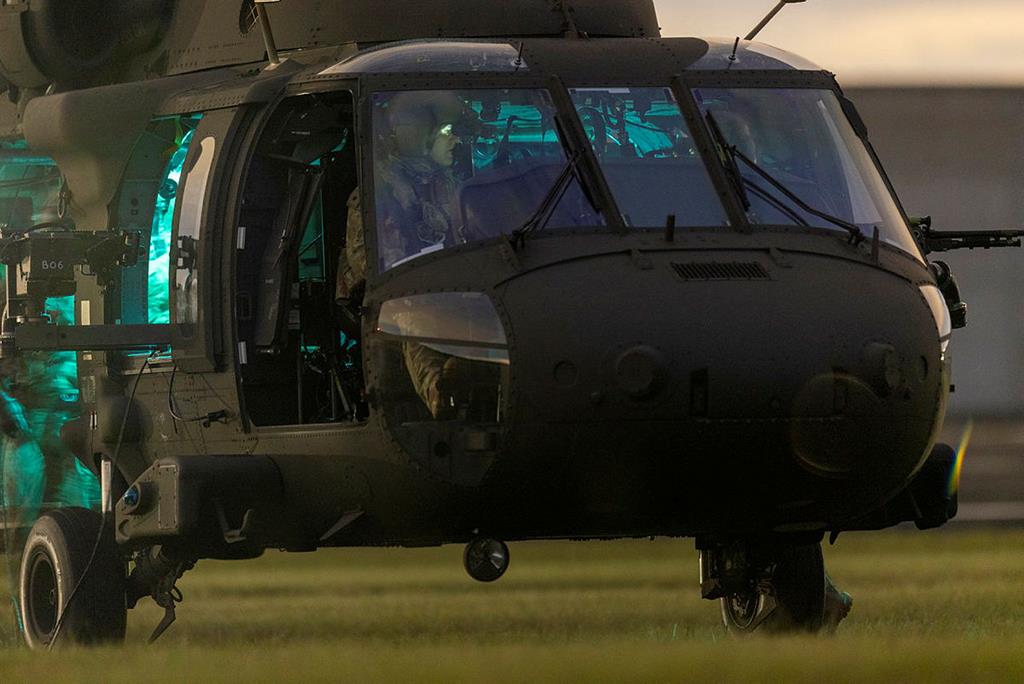
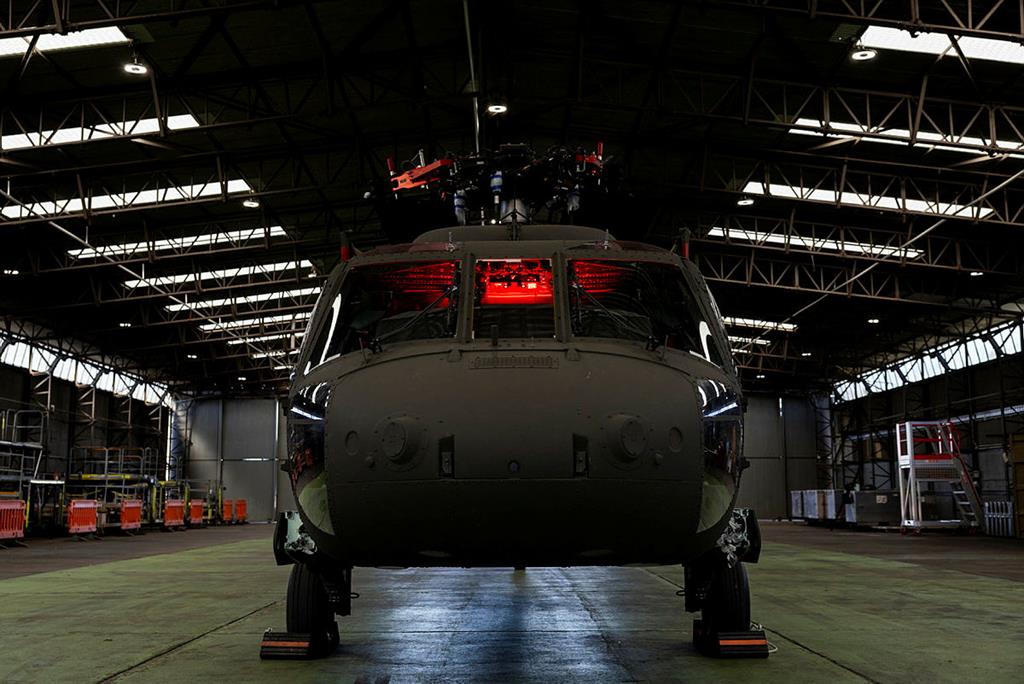
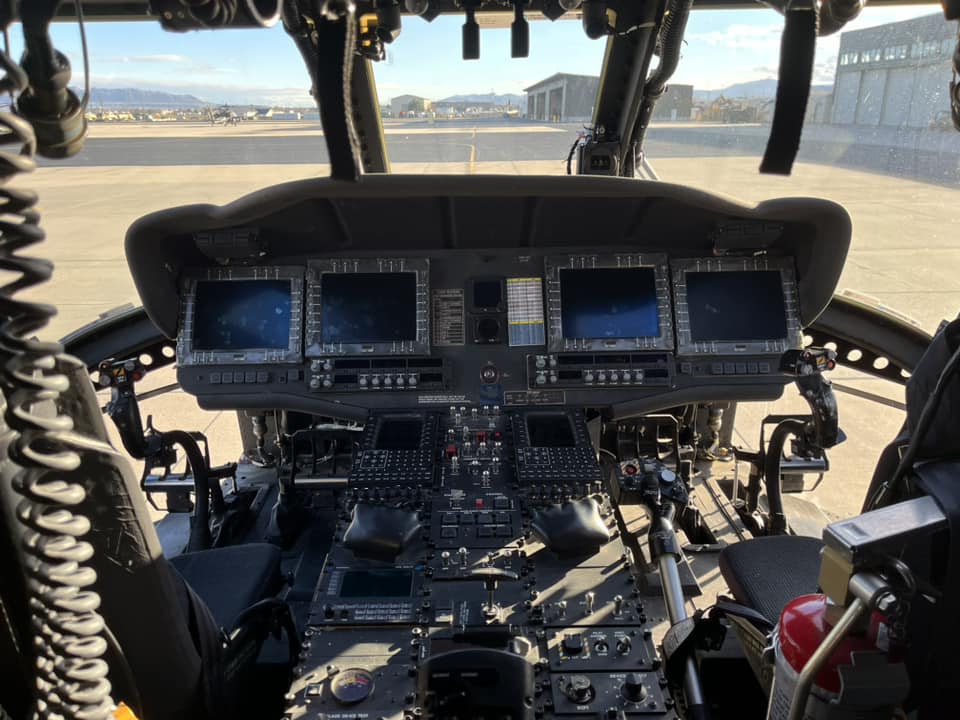
The UH-60M avionics suite was integrated on MIL-STD-1553, ARINC 429 data bus, and Ethernet buses to manage crew workload and improve the capability and reliability of the Black Hawk. The cockpit has four multi-function displays to present aircraft systems, communications, and navigation data including a digital map. Dual digital flight control computers provide Stability Augmentation System (SAS), trim, and Flight Path Stabilization. The UH-60M replaced the early Doppler navigation system of the Black Hawk with dual precision Embedded GPS/Inertial (EGI) navigator, and software-defined radios. An Improved Data Modem and Blue Force Tracker connect the helicopter crew with other air and ground units.
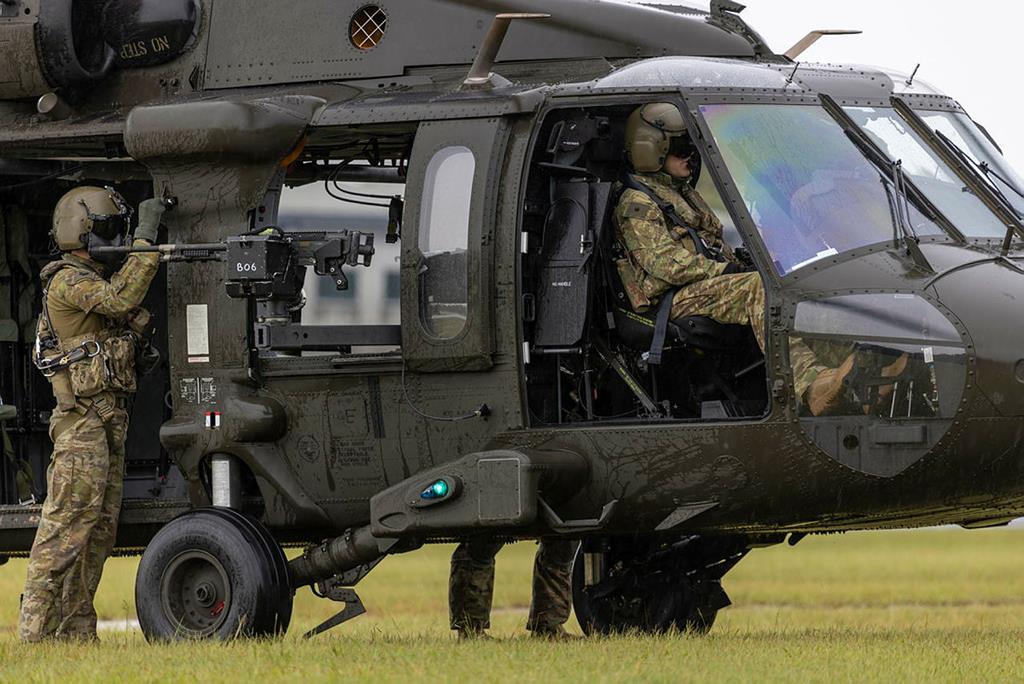
To counter today's more lethal infrared threats, the latest UH-60M has been fitted with new upturned infrared exhaust suppressors, laser and radar warning receivers, infrared jammers, and flare dispensers. A Common Infrared Countermeasures System is in production for the U.S. Army. A third-generation Integrated Vehicle Health Management System with Ethernet interface and integrated bearing monitor and cockpit recorder functions flew on the third UH-60M prototype and became part of the Mike-Model production configuration. Subsequent avionics improvements make the current Black Hawk compatible with civil airspace regulations.
Production History
The first production UH-60M was delivered to the Army on July 31, 2006 as production of the UH-60L stared to taper off. By the end of 2020, the Stratford line had delivered 831 UH-60M utility helicopters and 281 HH-60M medical evacuation aircraft to the US Army. The 10th H-60 multi-year production contract extends through 2028 to complete the U.S. Army objective for 884 UH-60M utility, 419 HH-60M Medevac, and 72 MH-60M Special Operations Black Hawks.
Australia's Procurement
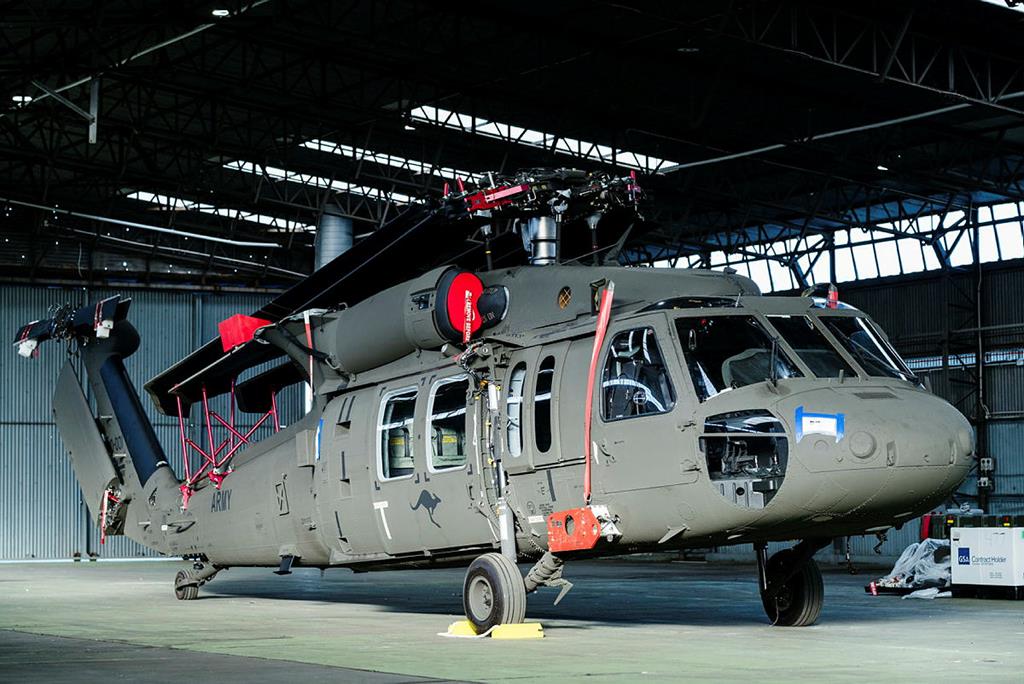
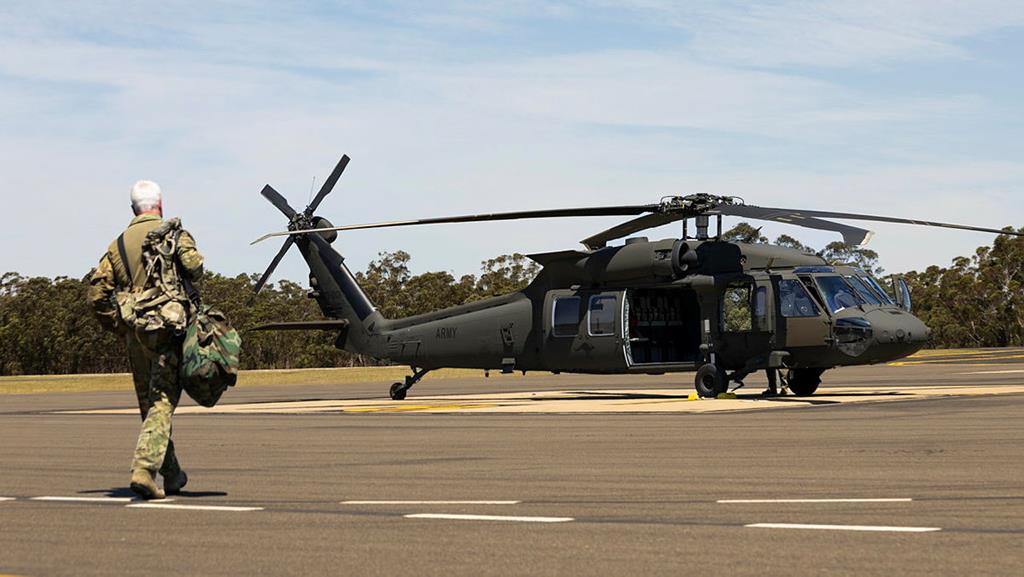
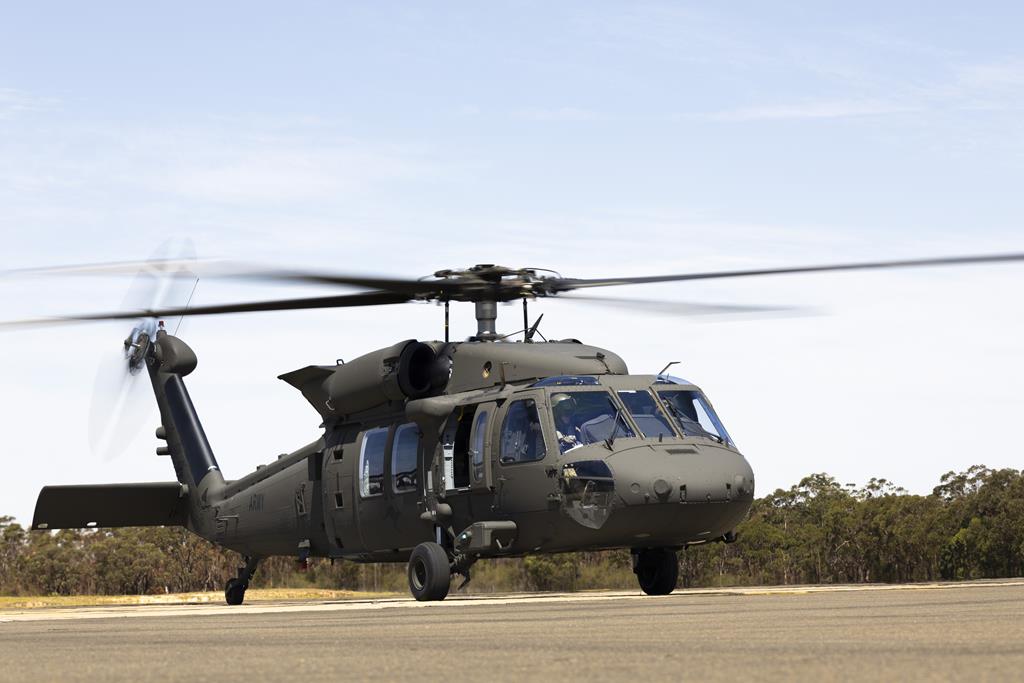
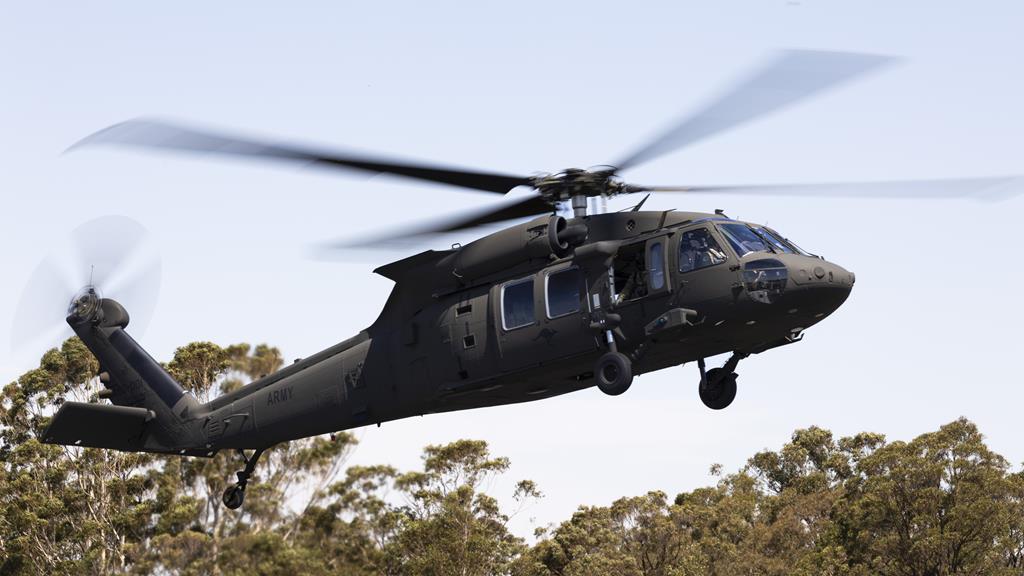
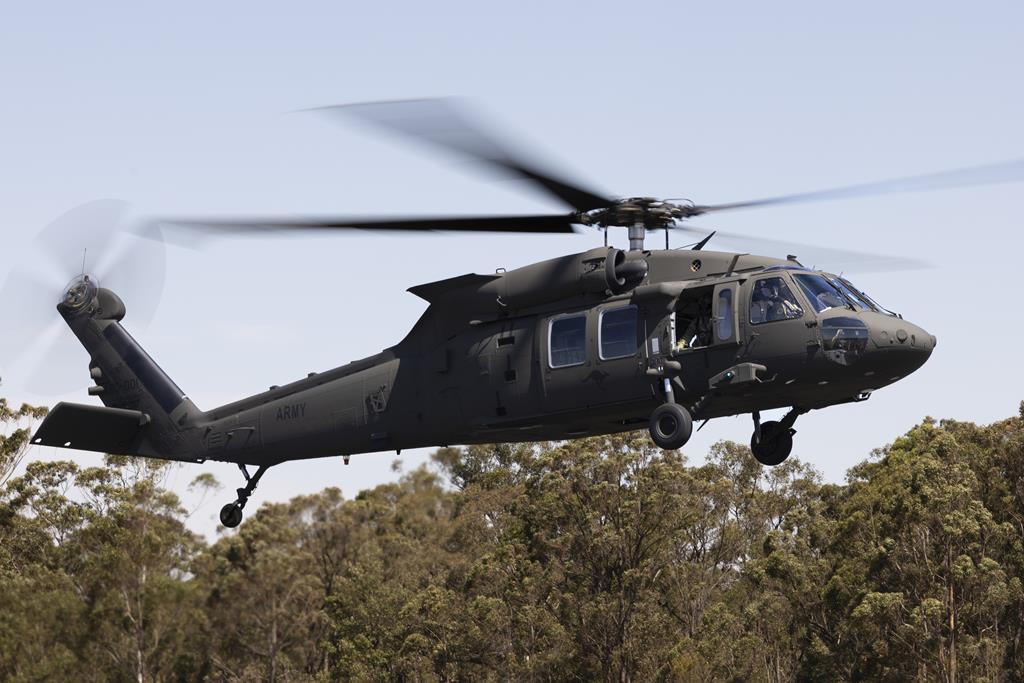
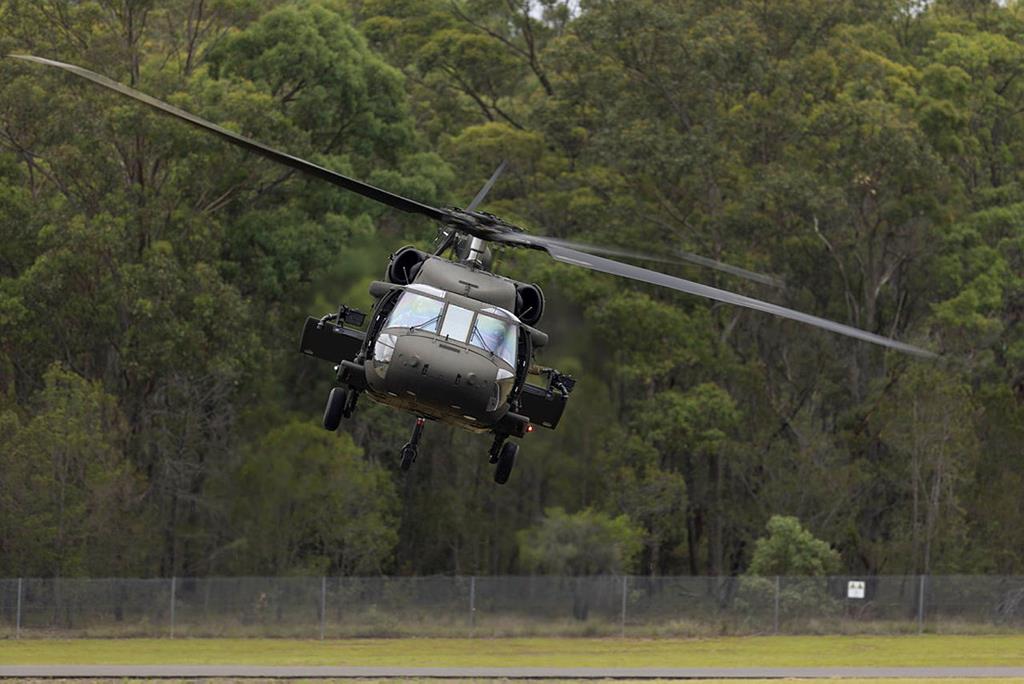
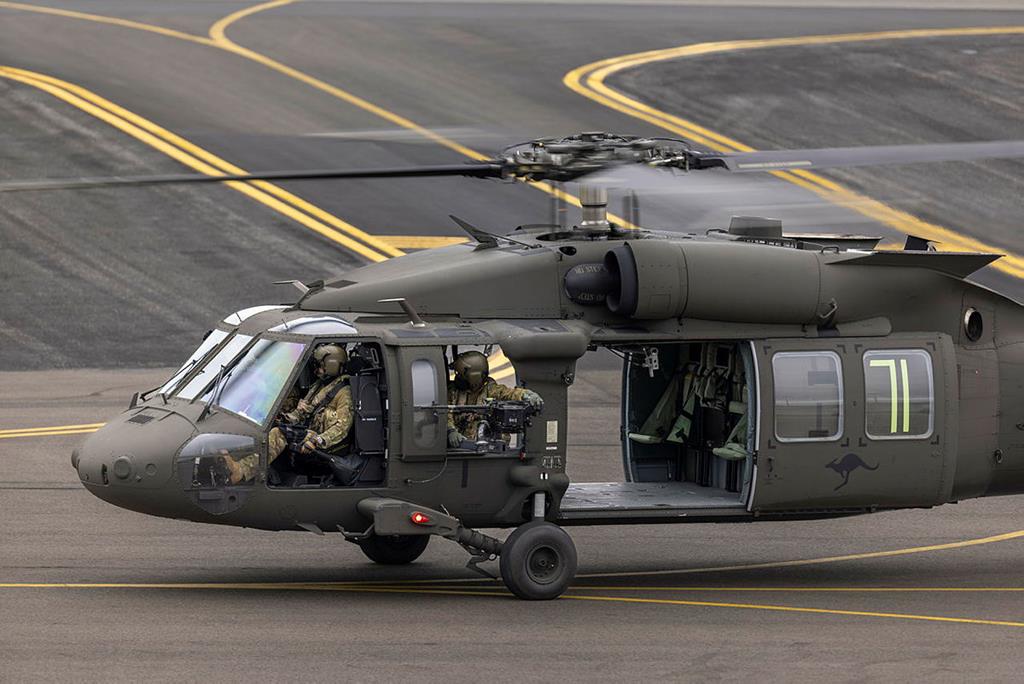
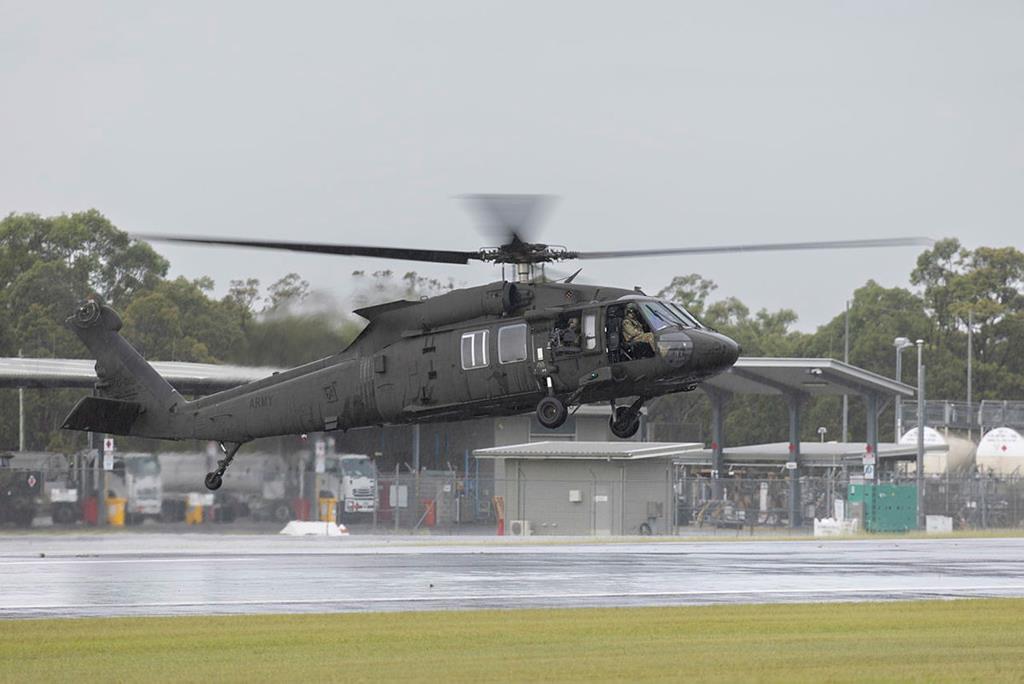
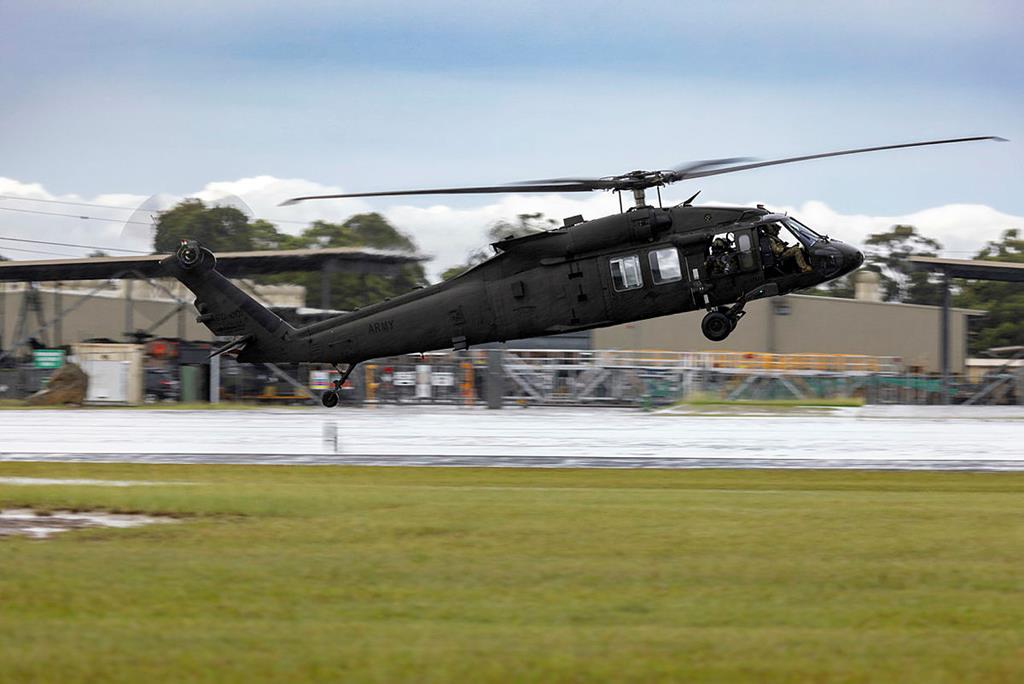
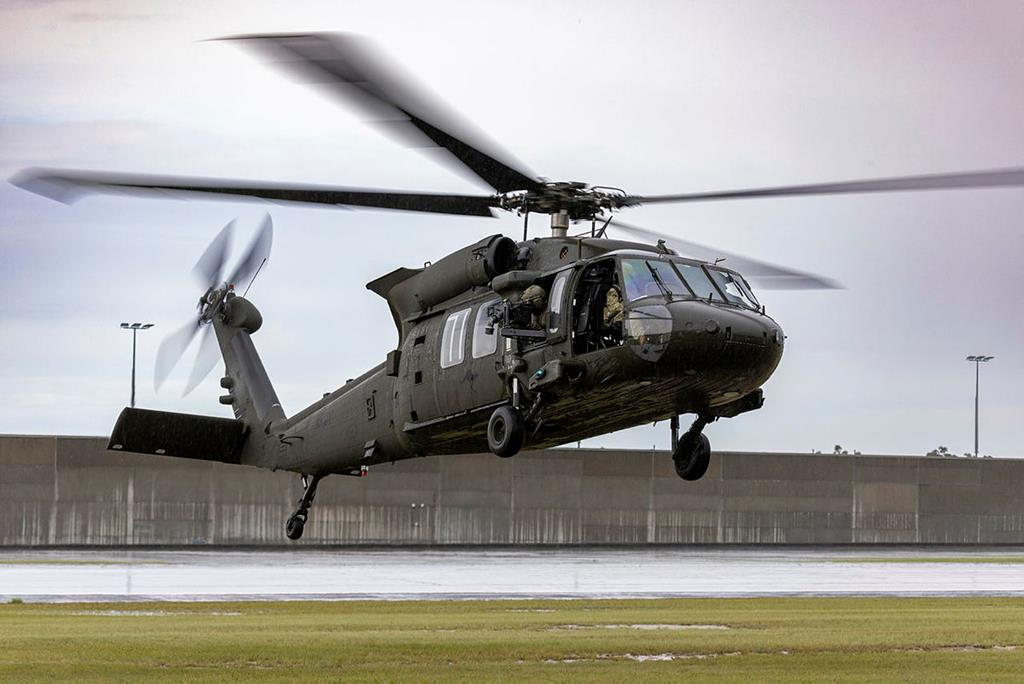
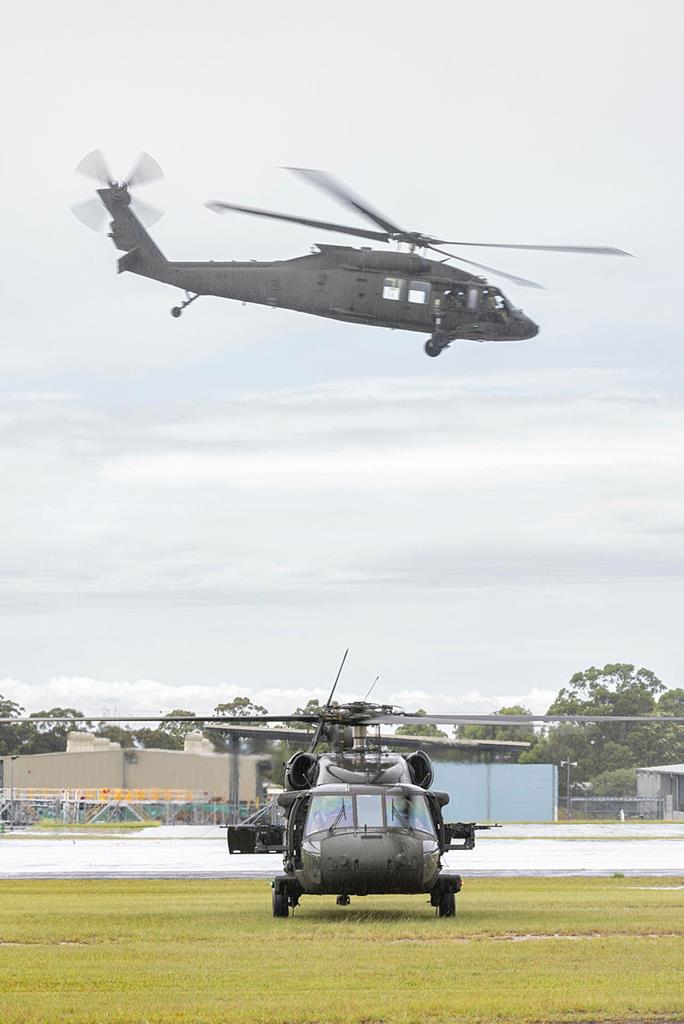
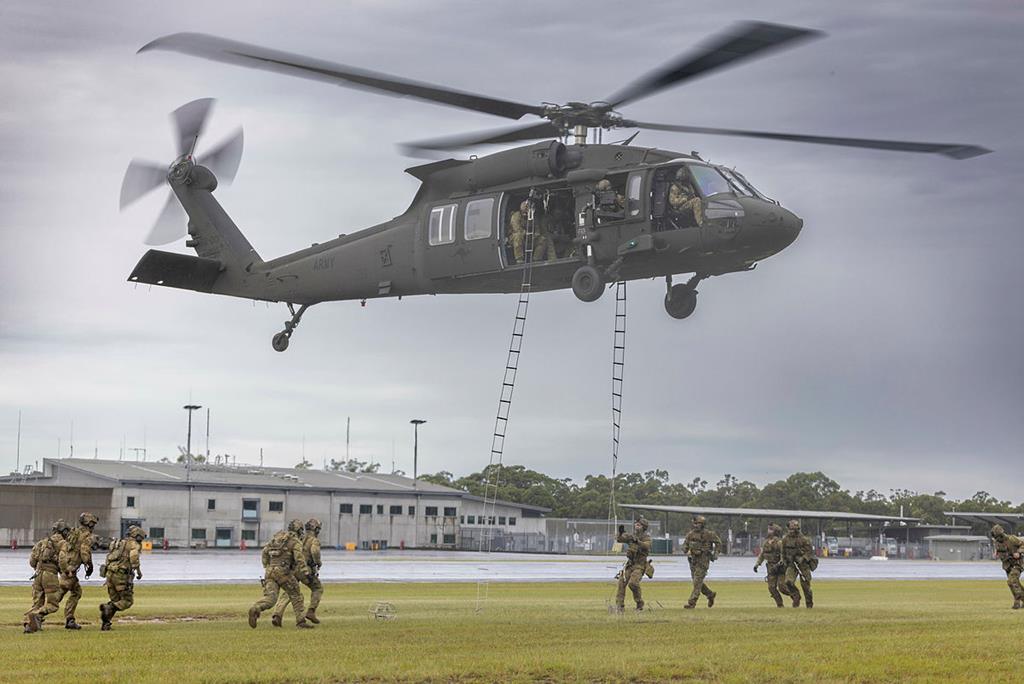
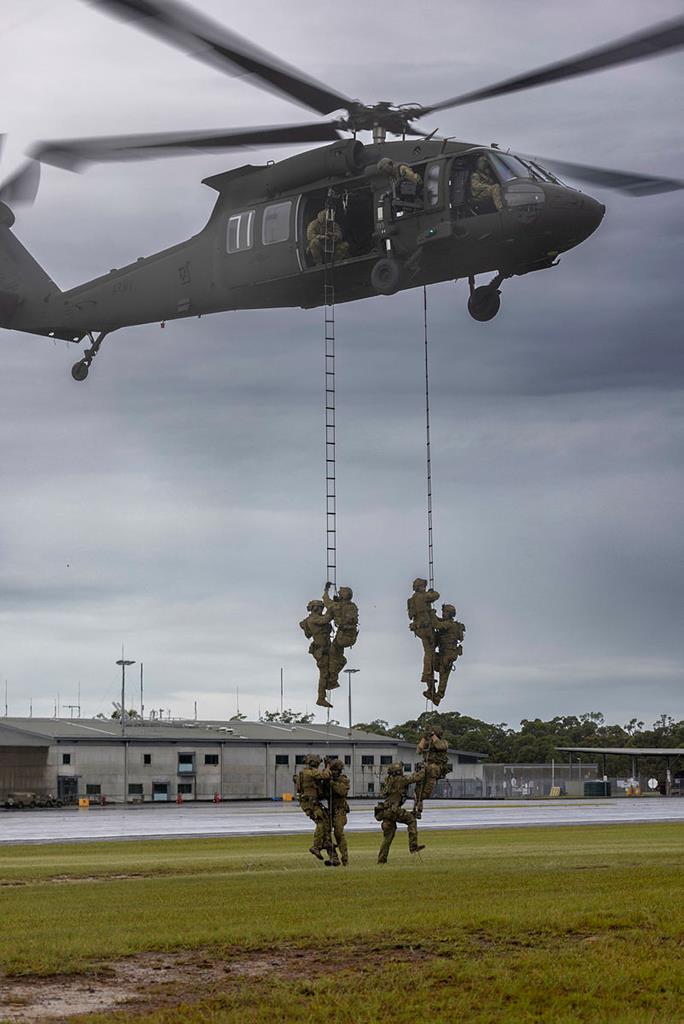
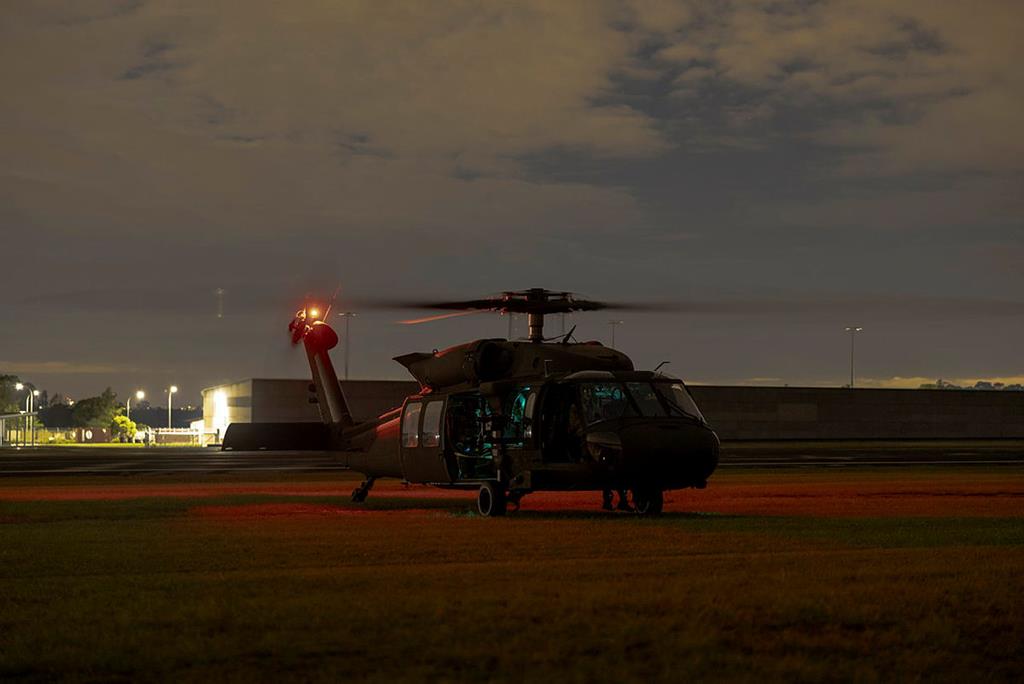
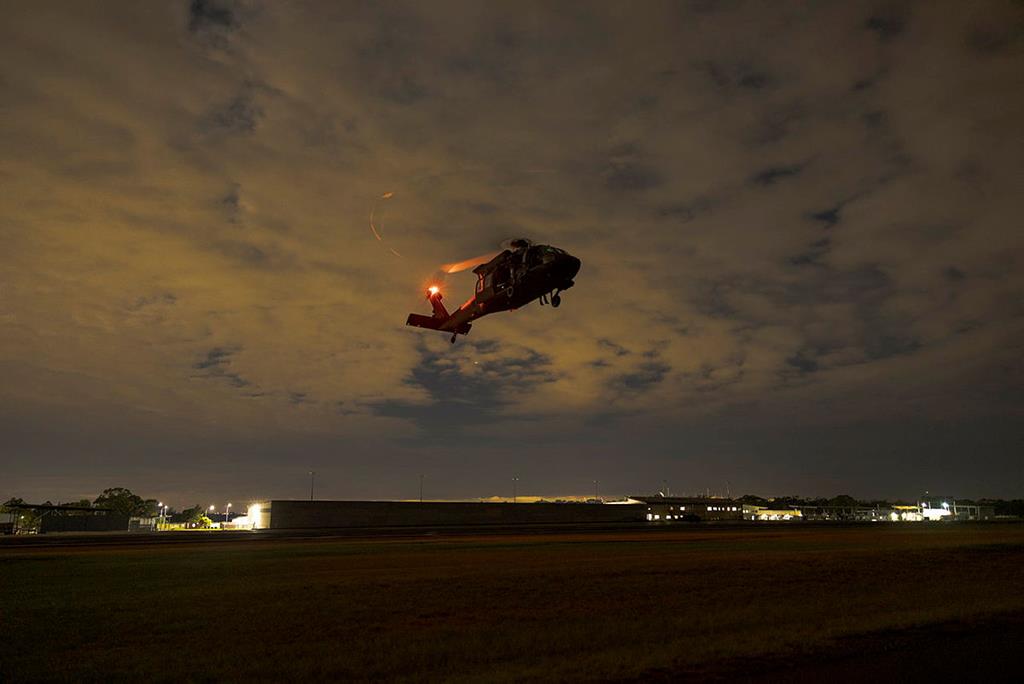
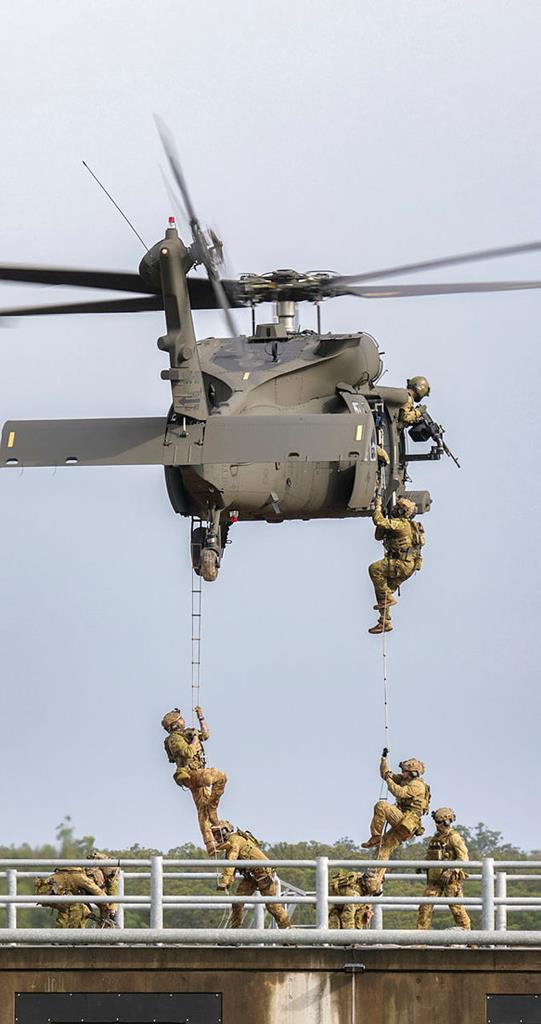
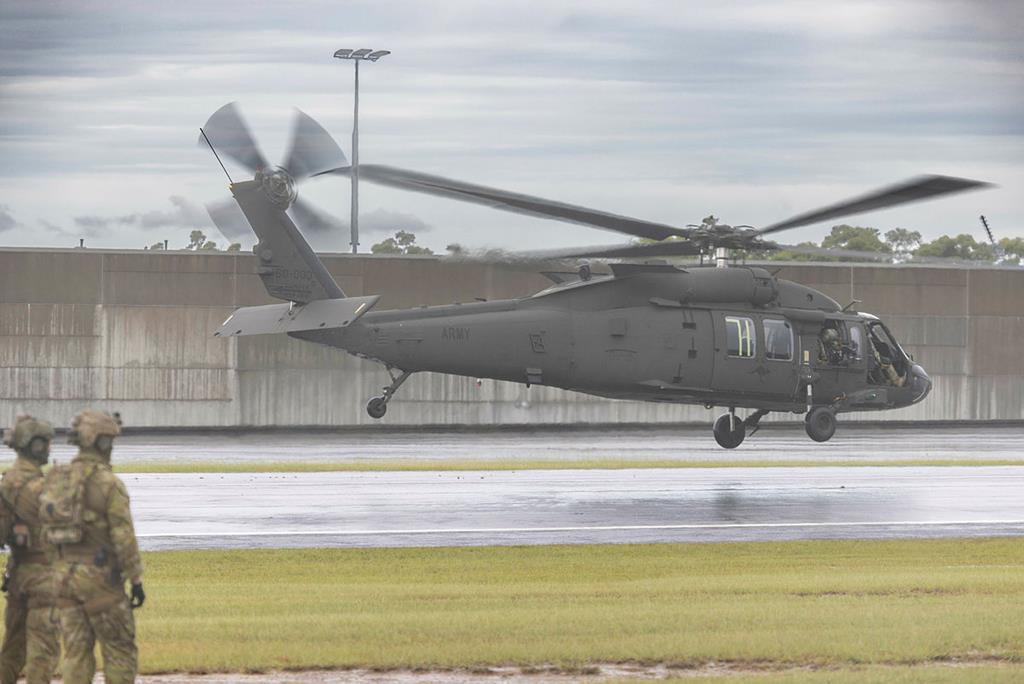
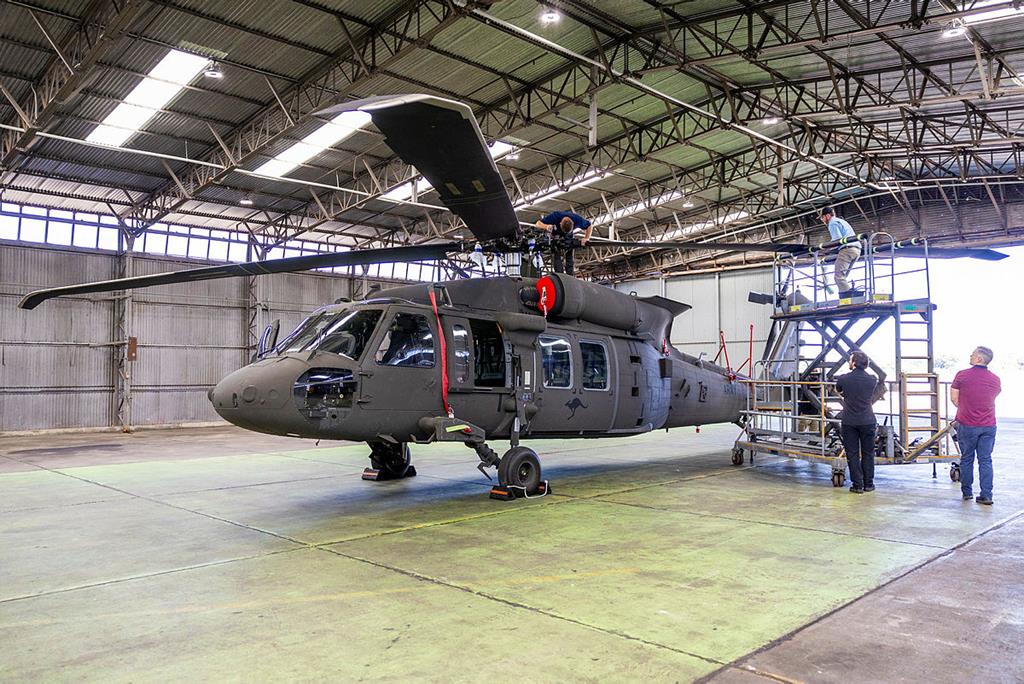
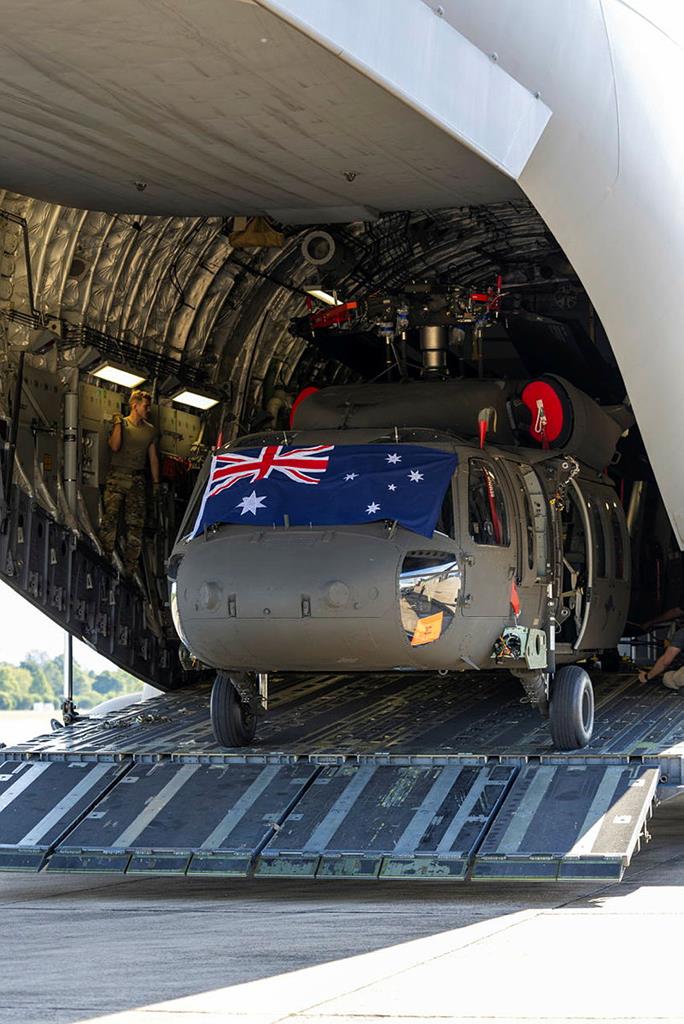
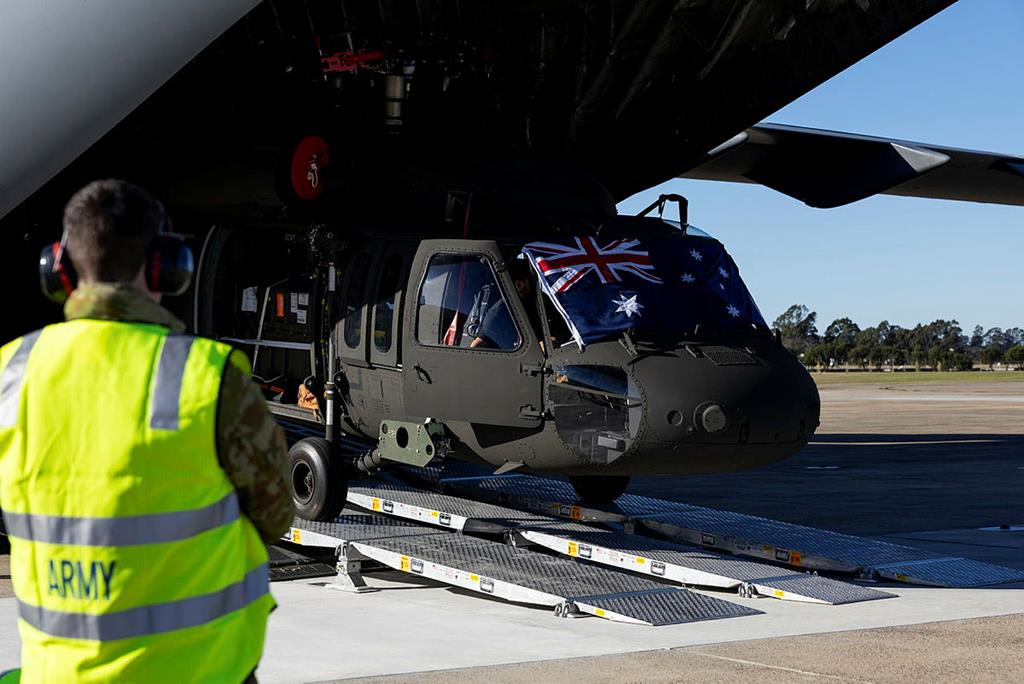
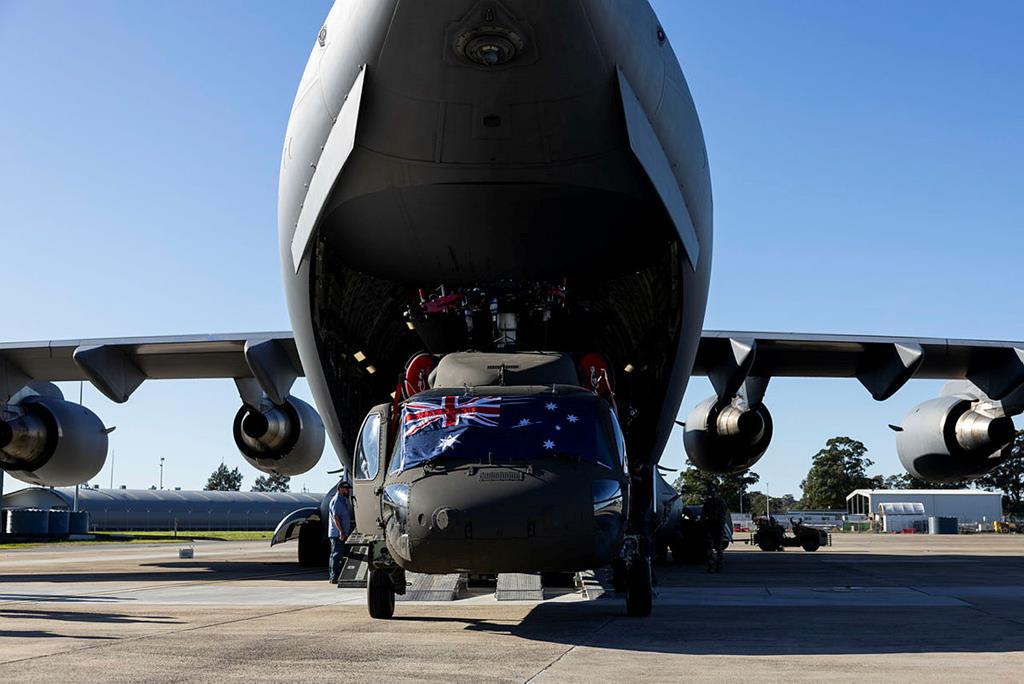
The Australian government decided to acquire 40 UH-60M Black Hawk helicopters for the Australian Army in November 2021. This decision was part of a broader initiative to enhance the Army's aerial mobility capabilities. The UH-60M is intended to replace the MRH-90 Taipan helicopters and provide improved operational flexibility and effectiveness for the Australian Defence Force. The Black Hawks are scheduled to operate from Oakey, QLD and Holsworthy, NSW, supported by a highly skilled, blended maintenance workforce including Australian industry contractors.
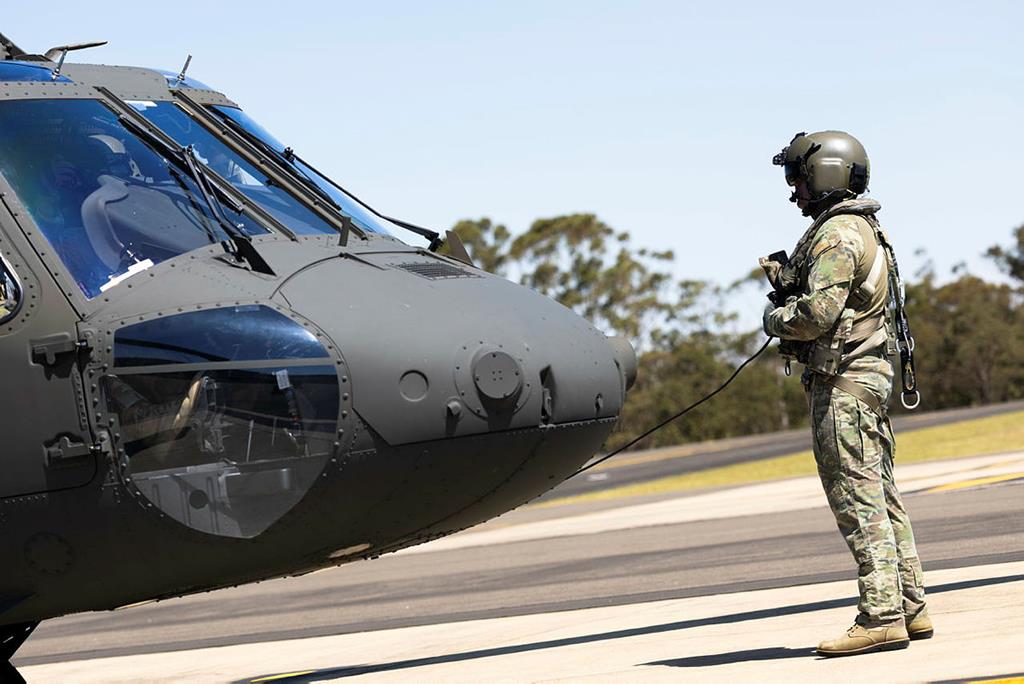
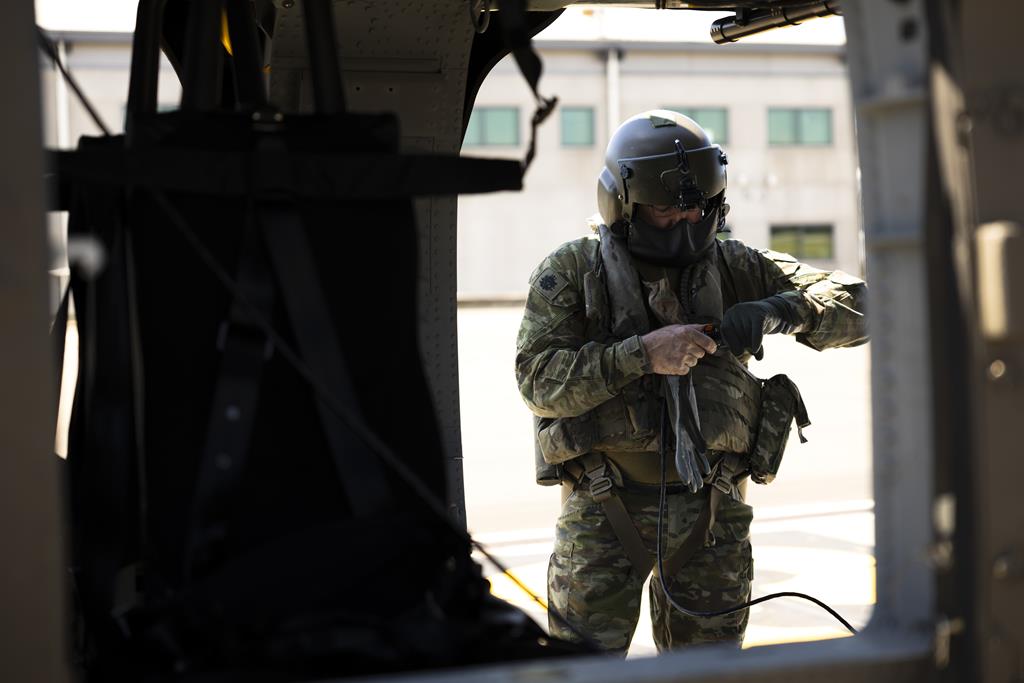
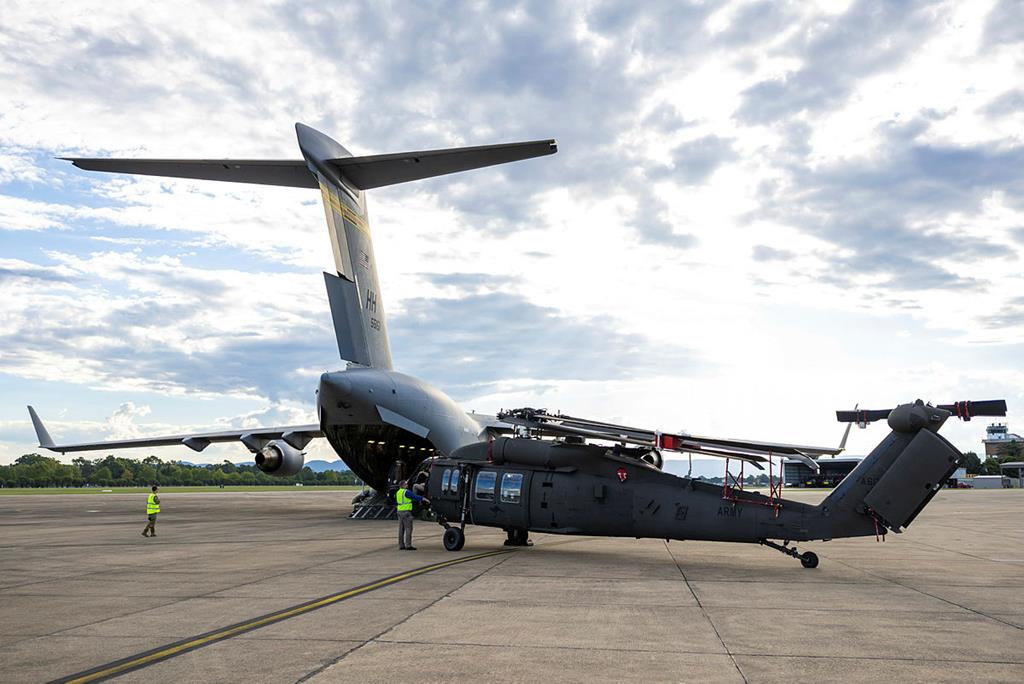
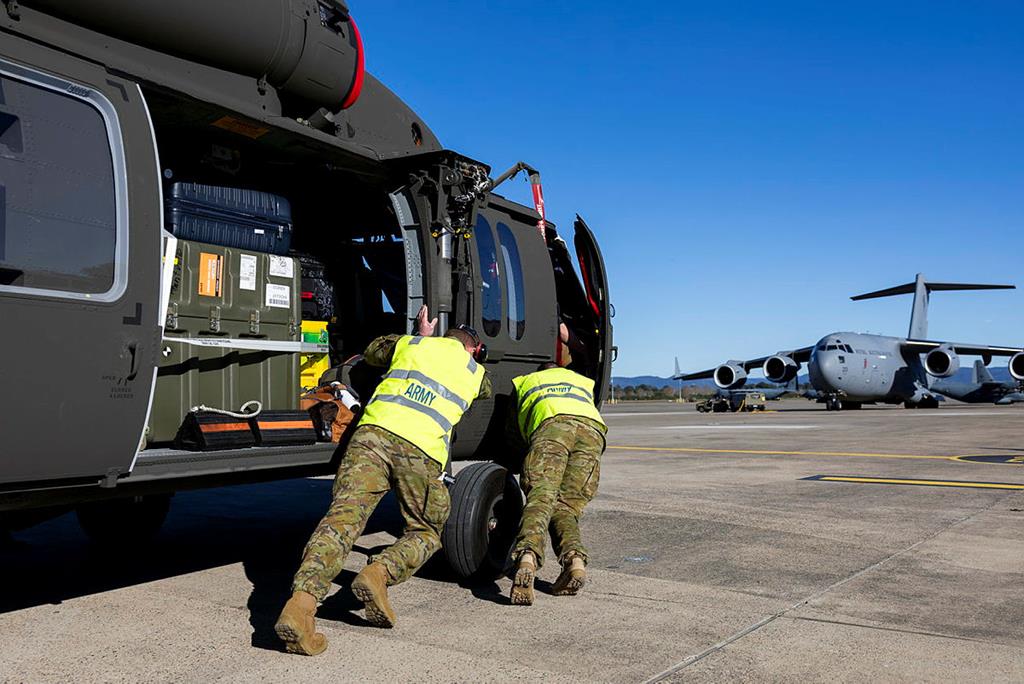
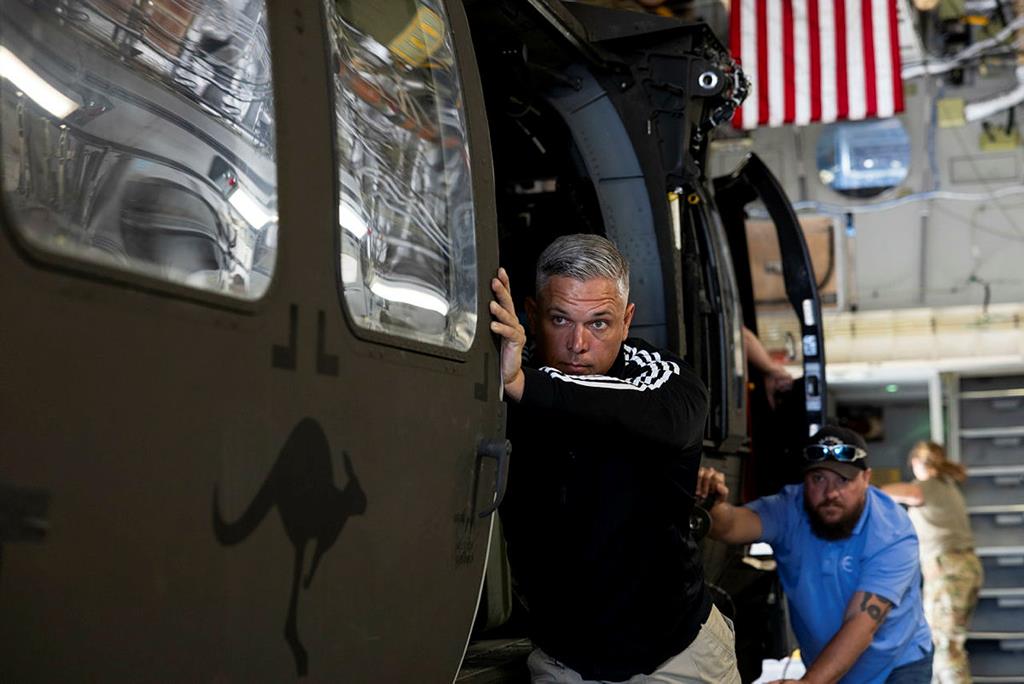
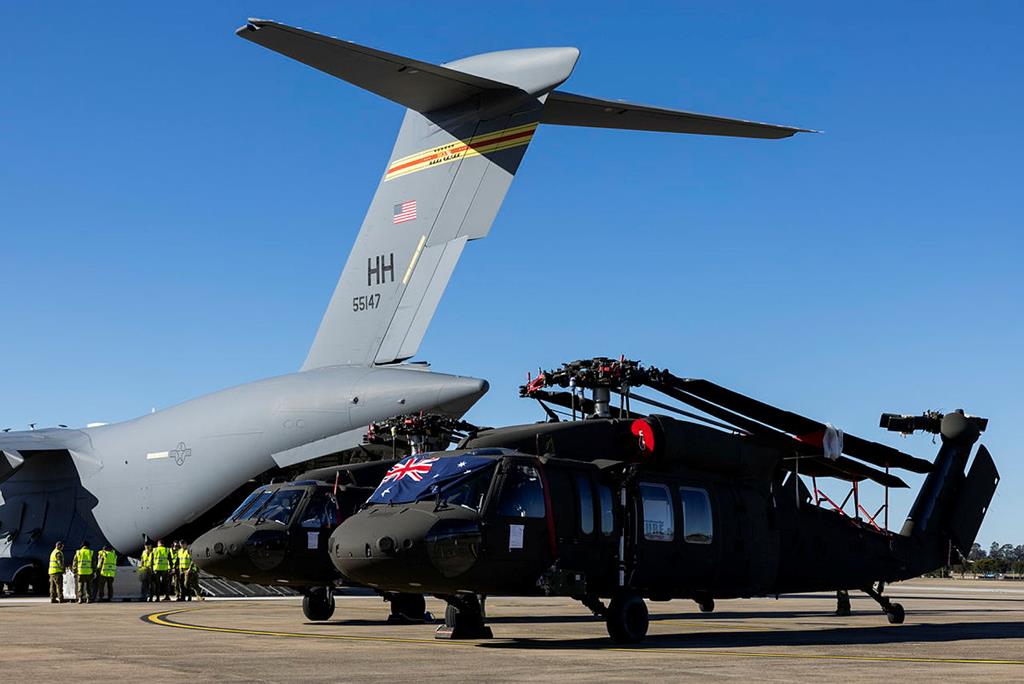
Following the Taipan helicopter crash in the Whitsundays on the 2nd August, 2023, the Australian Army grounded the fleet of MRH-90s. The incident was a significant event in Australian military aviation history and led to an ongoing investigation to determine the cause and implications for future operations. From this, the Federal Government negotiated the acceleration of UH-60M airframes from U.S.Army stocks with the first three airframes being delivered to RAAF Base Richmond quietly in December 2023. This was followed by three airframes in May/June 2024, and a further two in August 2024. These airframes are essentially U.S. Army configuration and require additional radios and other equipment to be installed to meet ADF standards. Delivery of the Black Hawk helicopters will continue, with ADF standard configurated airframes being delivered directly from the Lockheed Martin (Sikorsky) factory from airframe A60-013.
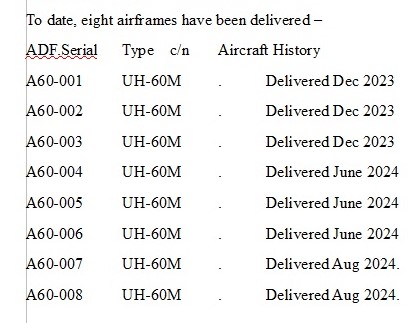
Realising that this was in Aug 2024 when Ryan wrote the text, I suspected there would be more by now. First I checked ADF Serials but they only have the first six listed. Then a quick look at 'https://www.defence.gov.au/news-events/releases/2024-10-29/army-uh-60m-black-hawk-fleet-update' showed two more by Oct (I assume A60-09 & 10) and the last two (A60-11 & 12) were scheduled for Nov 2024.
Modelling the UH-60M
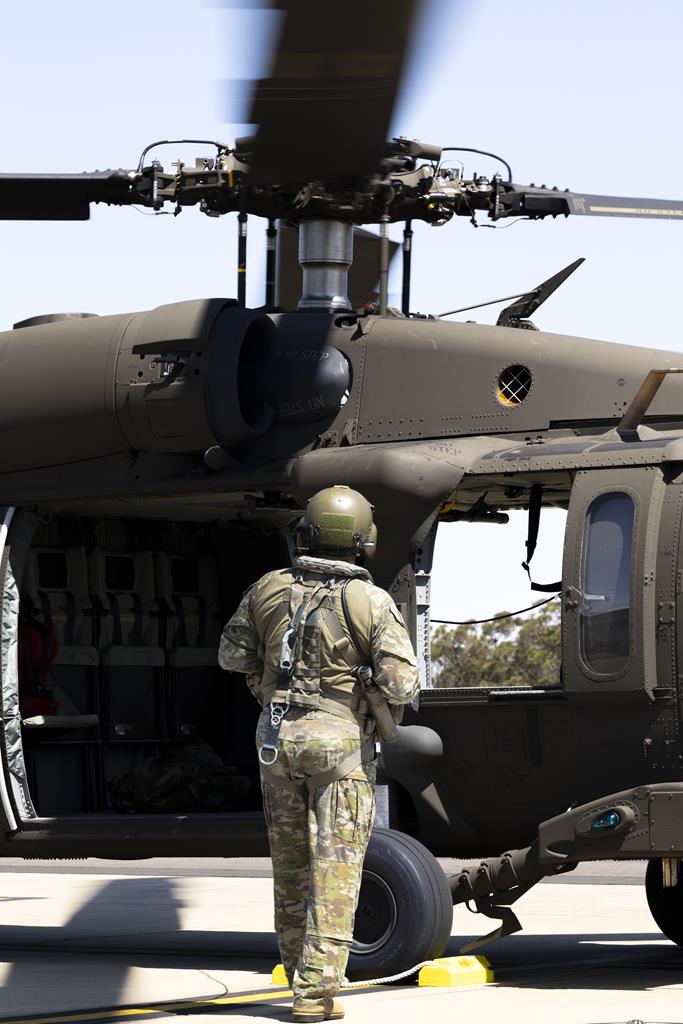
Models of the UH-60A are available in most popular scales and represent the 'classic' airframes. The new UH-60M airframes may appear to be the same but they have been extensively redesign, hence there are many changes that are required to modify the standard Blackhawk kit. The main differences include -
1. Full digital cockpit, consisting of an instrument panel with four CDS screens.
2. New crash resistant cabin seating, including two loadmaster stations.
3. Shorter diameter, wider main rotor blades.
4. New Upturned Exhaust System.
5. Numerous aerial and EW suit additions, including large undercarriage fairings to house additional sensors.
6. Stronger undercarriage (much like the Seahawk undercarriage).
To date, the following conversion have been available (Note - neither conversion set accounts for the wider composite main rotor blades, and can be difficult to acquire) -
1. AFV Club No. HF090 1:48 UH-60M ROCA (Conversion Kits).
2. ScaleWorx No. SW48-16 1:48 UH-60L/M Blackhawk - Upturned Exhaust System.
.
| 
| 
| 
|
| 
| 
| 
|
| 
| 
| 
|
| 
| 
| 
|
| 
| 
| 
|
| 
| 
| 
|
| 
| 
| 
|
| 
| 
| 
|
| 
| 
| 
|
| 
| 
|
Use the index button to return to the main issue 39/2 index.